

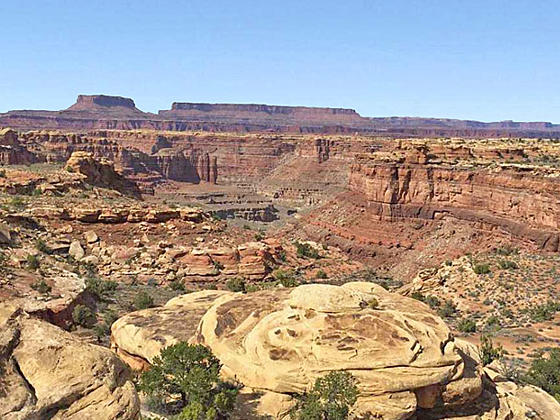
Ruins and rock art
23 ruins and rock art sites around the lake, many reached only by boat. Look, but don’t touch: damaging or taking anything from an archaeological site on public land is a federal crime.
Places
Slick Rock Canyon Restored Ruins and Petroglyphs
Piute Canyon Petroglyphs
This marks petroglyphs in Piute Canyon, which enters the San Juan arm from the south in the Great Bend section of the arm. The canyon is on Navajo Nation land, so hiking requires a Navajo Nation backcountry permit. Don't touch rock art; skin oils damage it.
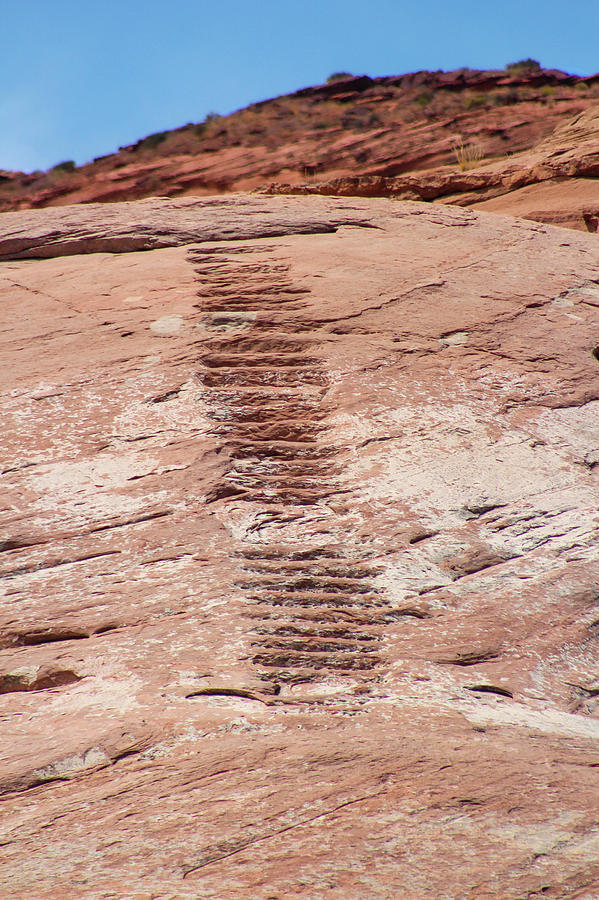
Driftwood Canyon Miners Stairs
Steps cut into the sandstone near the mouth of Driftwood Canyon, off the main channel around mile 46. They are known as the miners' stairs; prospectors worked Glen Canyon's gravel bars for gold before the dam, though who cut these steps is not documented. Watch your footing on the worn steps.
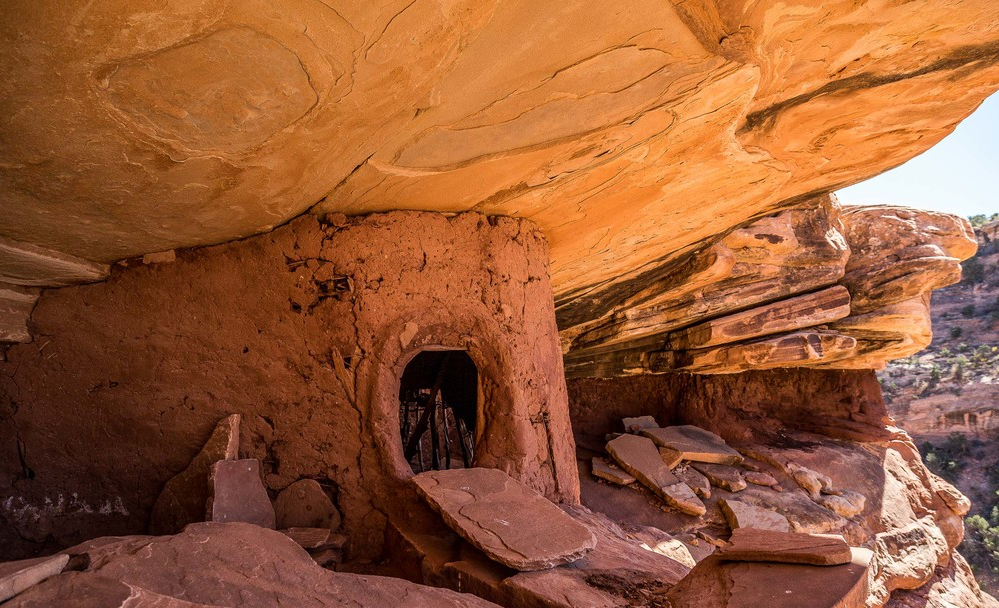
Three Roof Ruins
Three Roof Ruin is an Ancestral Puebloan cliff dwelling on the main Escalante channel between Willow Gulch and Explorer Canyon, on the left going up the arm. The National Park Service restored it in the 1960s, and it is one of the few ruins on the lake reached only from the water. Whether you can get close depends on the lake level, and the park sometimes closes it.
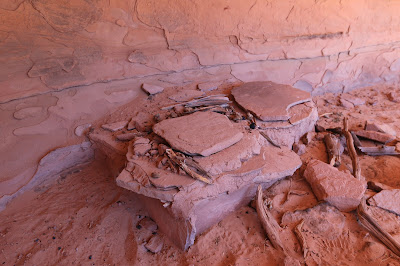
Moki Canyon Fork Ruins
Ancestral Puebloan ruins in a fork of Moki (Moqui) Canyon, the large side canyon on the east side of the main channel at about mile 99, just uplake from Halls Crossing and Bullfrog. Archaeologists recorded more than 100 sites in Moki Canyon before the lake filled; most surviving structures are small granaries. Reach them by hiking up the canyon from the water, and leave walls and artifacts untouched.
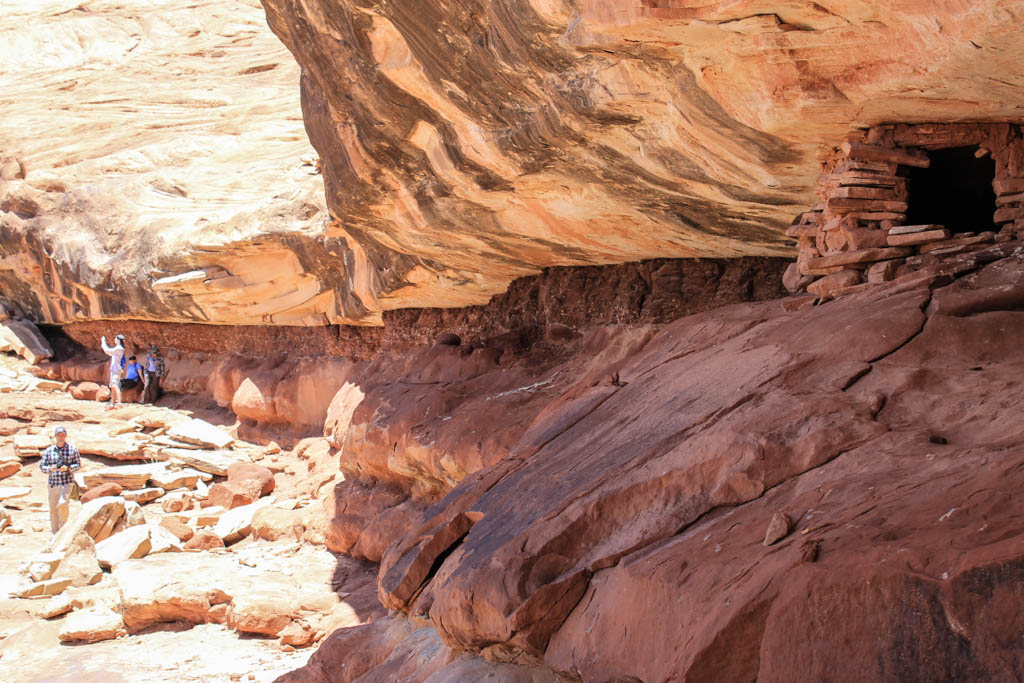
Moqui Canyon Ruins and Petroglyphs
Ancestral Puebloan ruins and petroglyphs in Moki (Moqui) Canyon, the large side canyon on the east side of the main channel at about mile 99, just uplake from Halls Crossing and Bullfrog. More than 100 sites were recorded in the canyon before the lake filled; most surviving structures are small granaries. Reach them by hiking up from the water. Don't touch rock art or climb on walls.
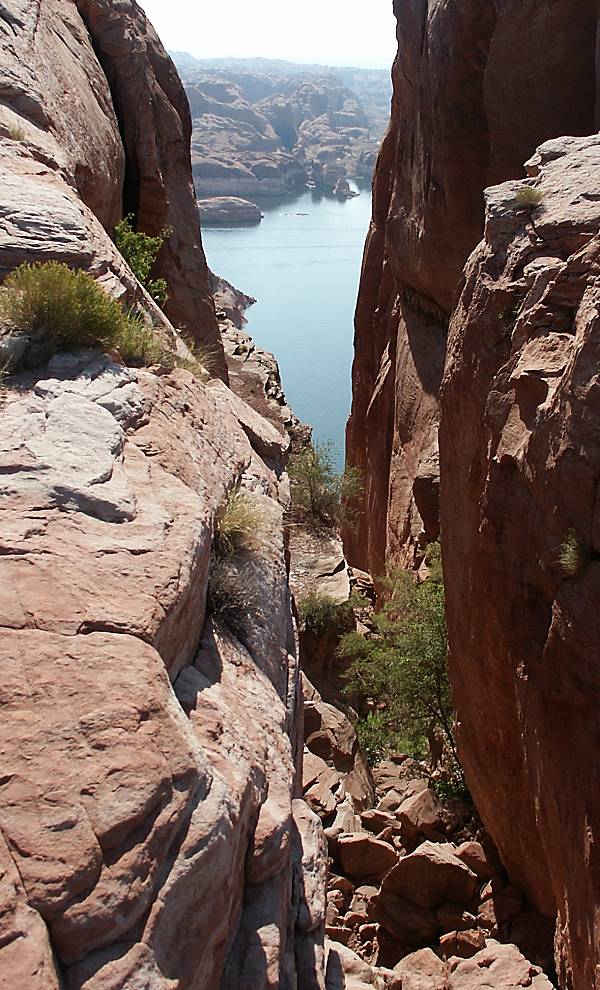
Historic Hole in the Rock
In the winter of 1879-80, about 250 settlers of the Mormon San Juan Mission widened this narrow cleft in the west rim of Glen Canyon to lower 83 wagons and their livestock roughly 1,000 feet to the Colorado River, on their way to found Bluff. Lake Powell now covers about a third of the route. From the water, land at about buoy 66 on the west side of the main channel, just below the mouth of the Escalante arm; the climb up the cleft is about half a mile each way over steep, rocky ground. There are no facilities.
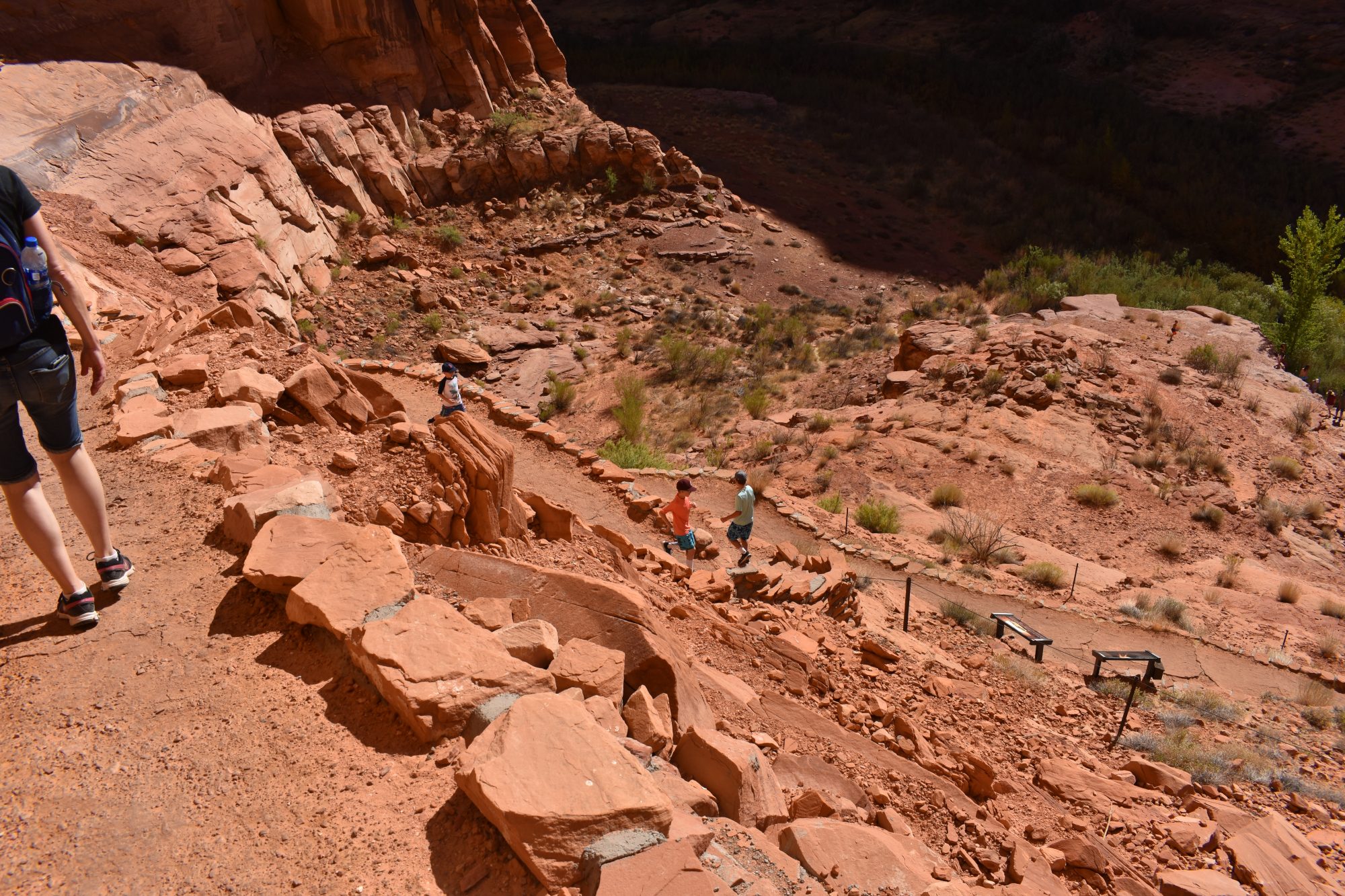
Forgotten Canyon Ruins
Forgotten Canyon holds Ancestral Puebloan ruins, the best known being Defiance House, a cliff dwelling in an alcove about three miles up the canyon. The canyon opens off the east side of the main channel at about mile 106, roughly a dozen miles uplake from Bullfrog and Halls Crossing. Defiance House was lived in from about AD 1250 to 1285 and is named for a pictograph of three figures with shields. Boat into the canyon, then walk up the canyon to the cliff trail; how far you walk depends on the lake level.
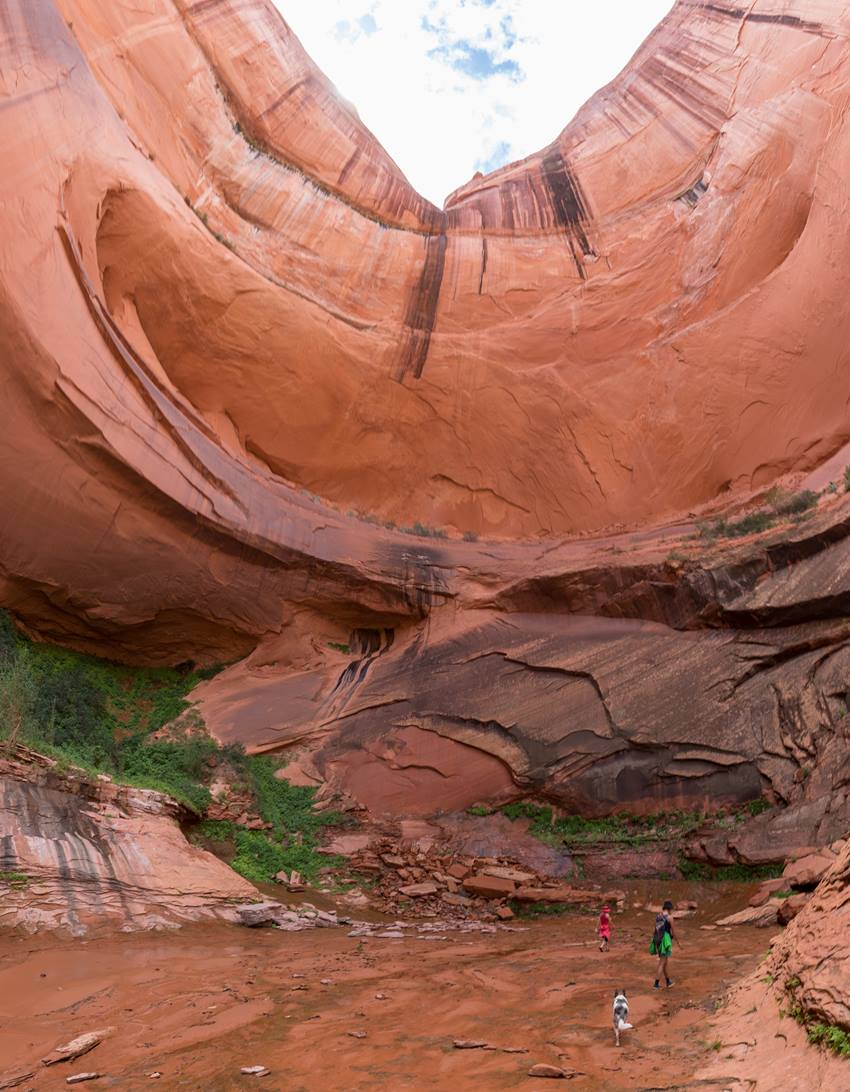
Iceberg Canyon Ruins
Iceberg Canyon is a unique region of Lake Powell featuring a hike to Anasazi ruins and a natural dam. Iceberg Canyon is about three hours by boat from Bullfrog Marina. Iceberg Canyon is also directly adjacent to the Rincon, a major geologic formation. Iceberg Canyon is accessible from Buoy 79.
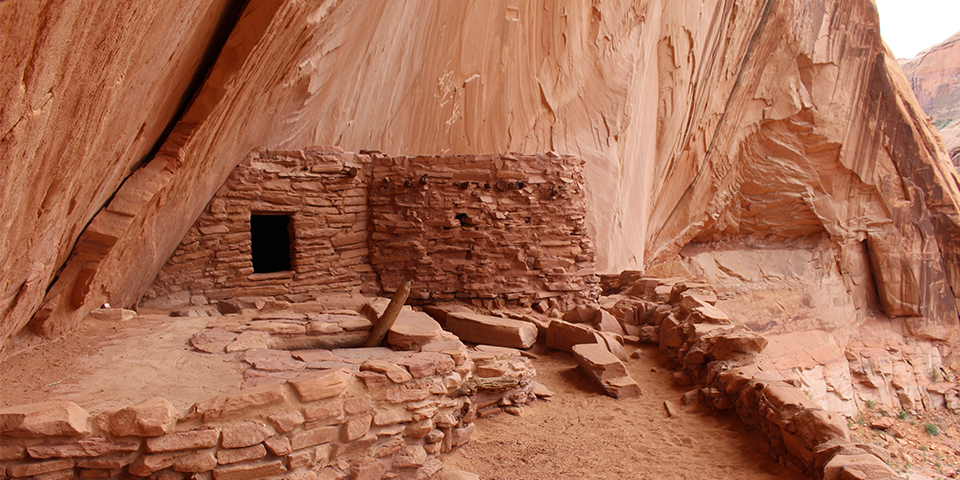
Defiance House Ruins
Defiance House is an Ancestral Puebloan cliff dwelling in a natural alcove about three miles up Forgotten Canyon, which opens off the east side of the main channel at about mile 106. It was lived in from about AD 1250 to 1285 and was found by University of Utah archaeologists in 1959, before the lake filled. The name comes from a large white pictograph panel showing three figures with shields. The National Park Service has stabilized the site; a cliff trail climbs from the canyon floor to the alcove.
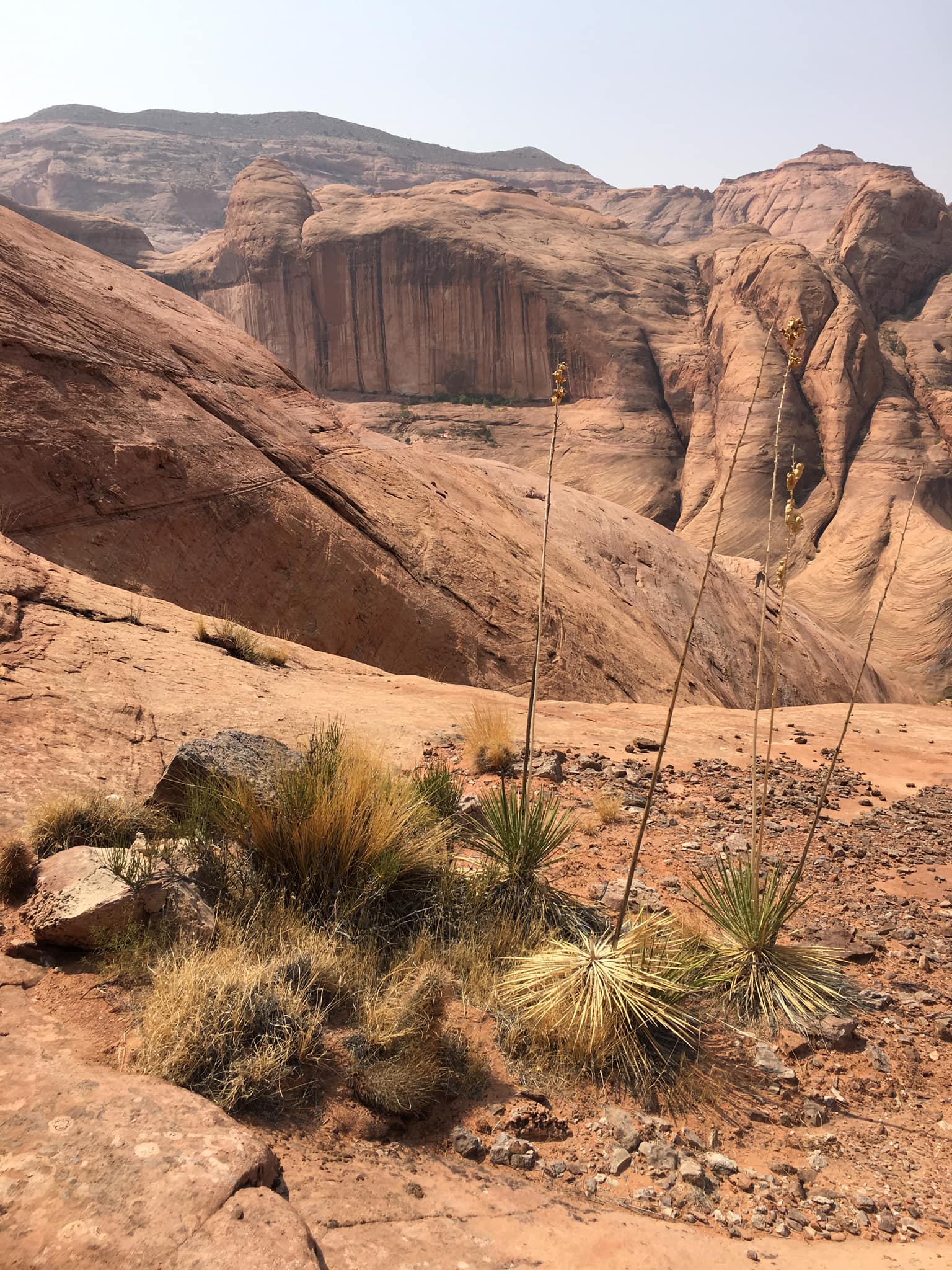
Oak Canyon Moqui Steps
Moqui steps are hand-and-toe holds pecked into sandstone by Ancestral Puebloan people. These are in Oak Canyon, a side canyon on the south side of the main channel between buoys 50 and 51, just uplake from Forbidding Canyon and Rainbow Bridge. They are archaeological features: look and photograph, but don't climb them.
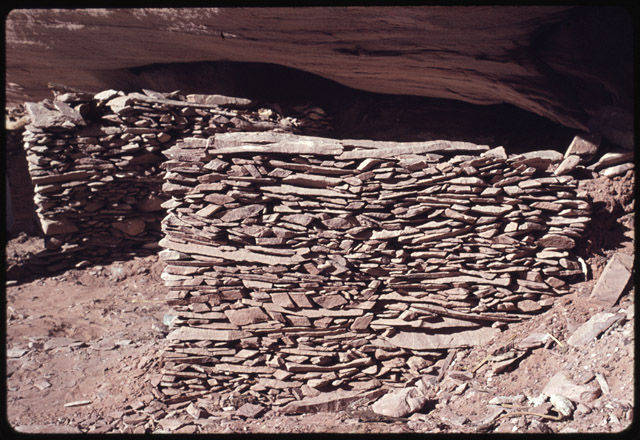
Moki Canyon Ruins
Moki Canyon Ruins are the remains of ancient Native American cliff dwellings located in Moki Canyon, southeastern Utah, USA. The ruins consist of stone structures and dwellings built into the cliffs, believed to have been constructed by the Ancestral Puebloans around 800-1300 CE. They are accessible by hiking and are a popular destination for archaeology enthusiasts and outdoor adventurers.
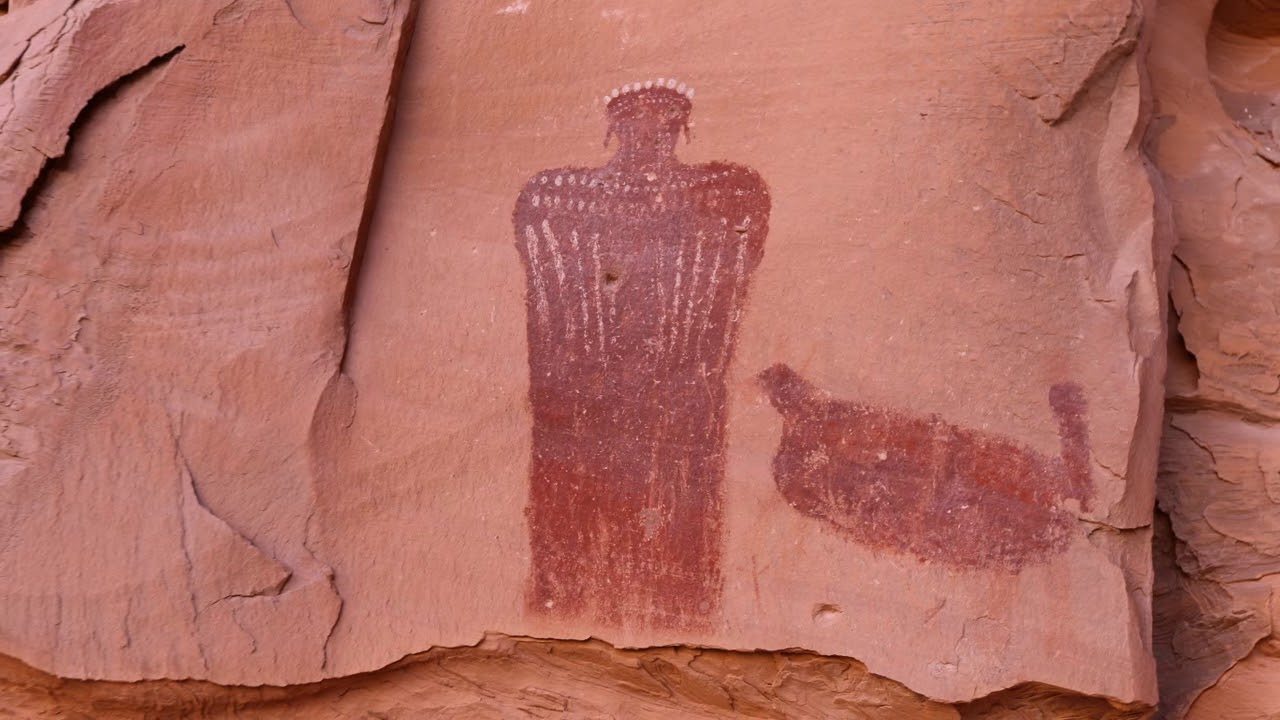
Moki Canyon Bend Ruins and Petroglyphs
Ancestral Puebloan ruins and petroglyphs at a bend in Moki (Moqui) Canyon, the large side canyon on the east side of the main channel at about mile 99, just uplake from Halls Crossing and Bullfrog. Most surviving structures in the canyon are small granaries. Reach them by hiking up the canyon from the water, and don't touch rock art or walls.
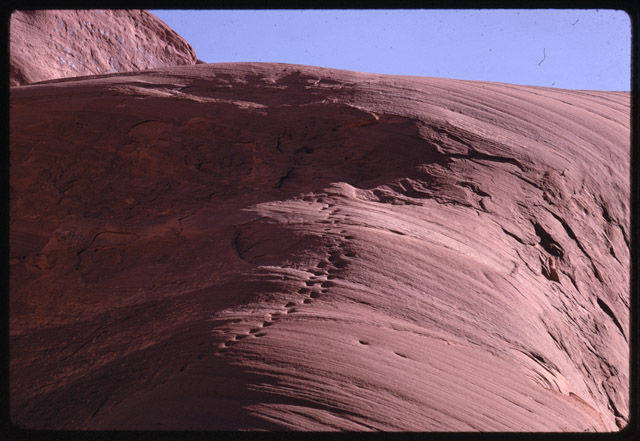
Lake Canyon Moqui Steps
Moqui steps are hand-and-toe holds pecked into sandstone by Ancestral Puebloan people to climb in and out of canyons. These are in Lake Canyon, which enters the east side of the main channel at about mile 88, south of Halls Crossing. They are archaeological features: look, but don't climb or touch them.
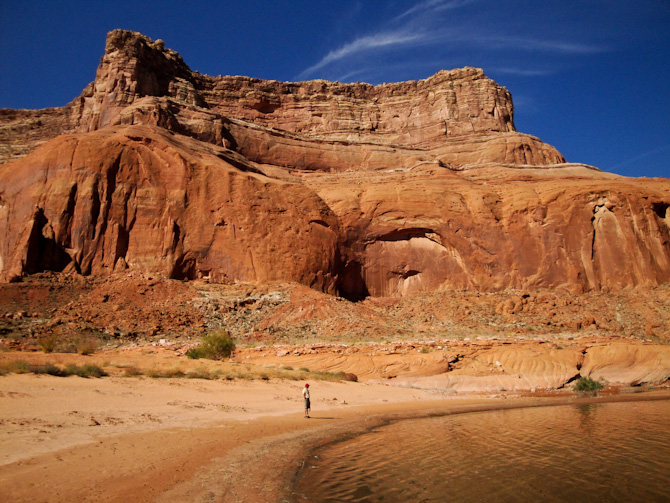
Dungeon Canyon Moqui Steps
Moqui steps (hand-and-toe holds pecked into sandstone by Ancestral Puebloan people) in Dungeon Canyon, a side canyon off the main channel at about buoy 38, a few miles downlake from Dangling Rope. They are archaeological features: look, but don't climb or touch them.
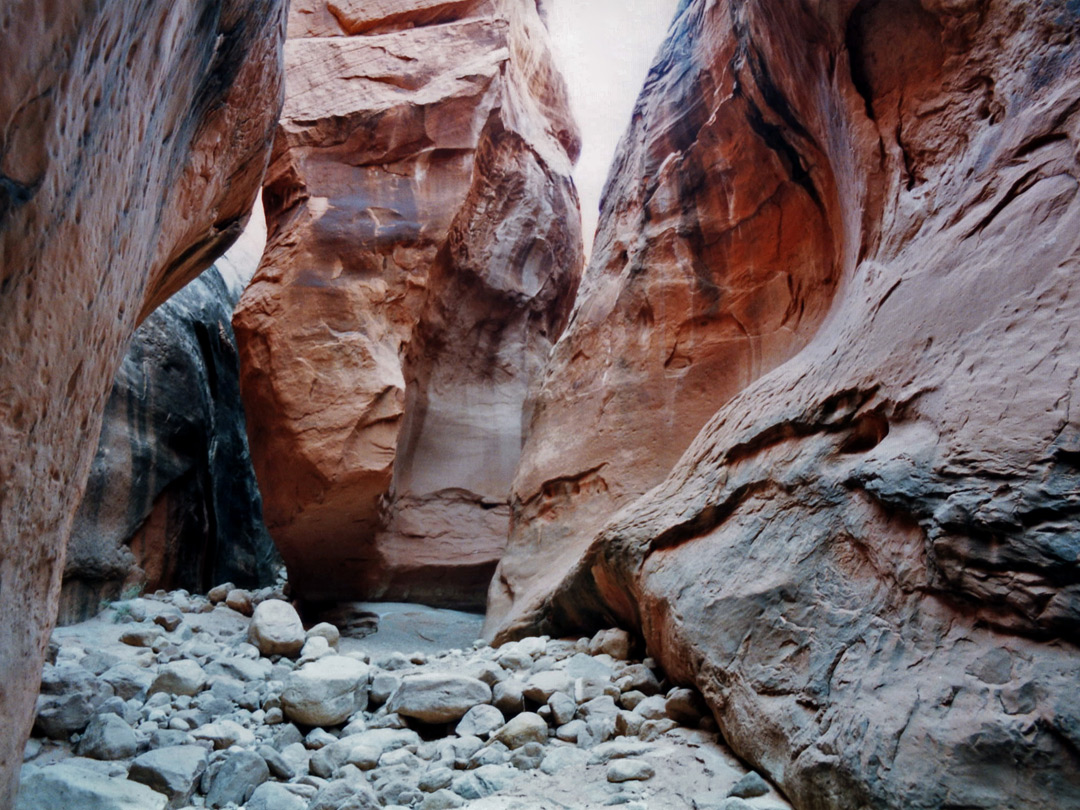
Llewellyn Gulch Petroglyphs
Beautiful, secluded canyon that starts beneath the red cliffs of Fiftymile Point and meets Lake Powell, forming nice, slot-like passageways in the upper part, and a wider gorge lower down, containing a permanent stream.
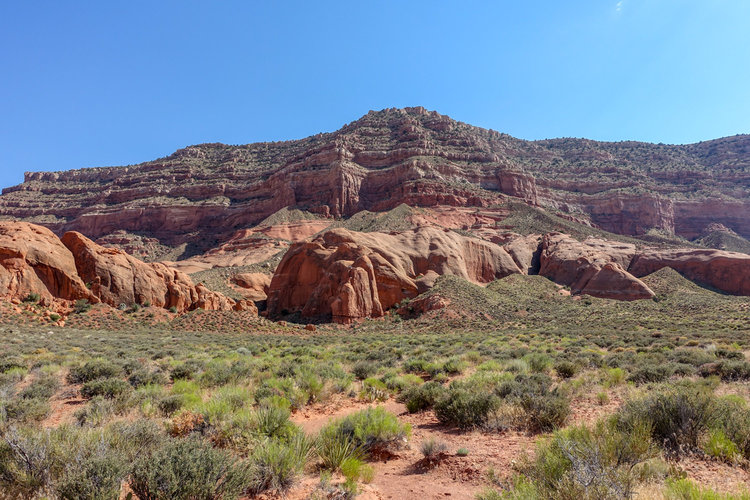
Reflection Canyon Ruins
Ancestral Puebloan ruins in Reflection Canyon, a branching side canyon on the west side of the main channel at about mile 56, just downlake from the mouth of the San Juan arm. By boat they are reached on foot from the shoreline; by land, Reflection Canyon is a long, mostly cross-country hike from the Hole-in-the-Rock Road. Leave walls and artifacts untouched.
Slick Rock Canyon Ruins
Ancestral Puebloan ruins in Slick Rock Canyon, on the east side of the main channel at about mile 81, between Lake Canyon and Iceberg Canyon. A restored alcove ruin is reached on foot up the canyon from where boats can land. These ruins were vandalized and later restored; don't touch the walls or take anything.